
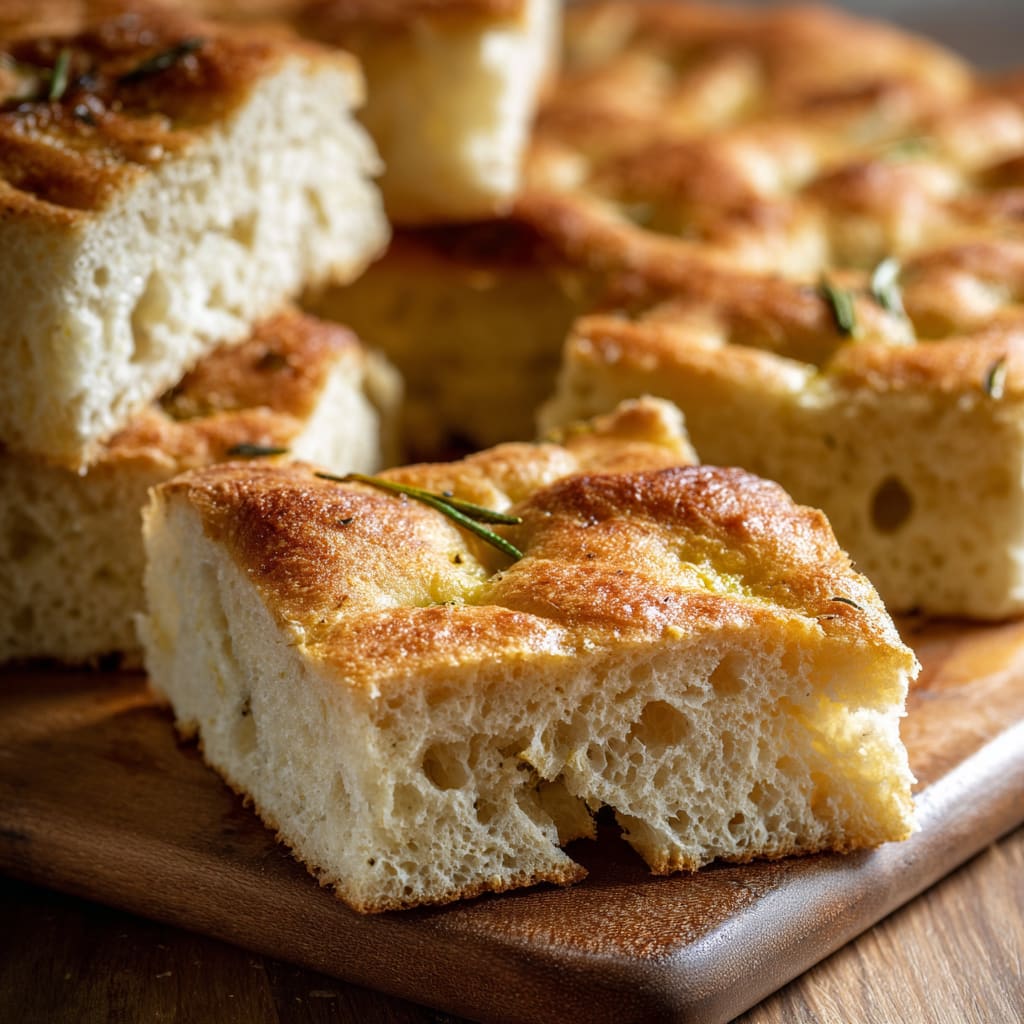
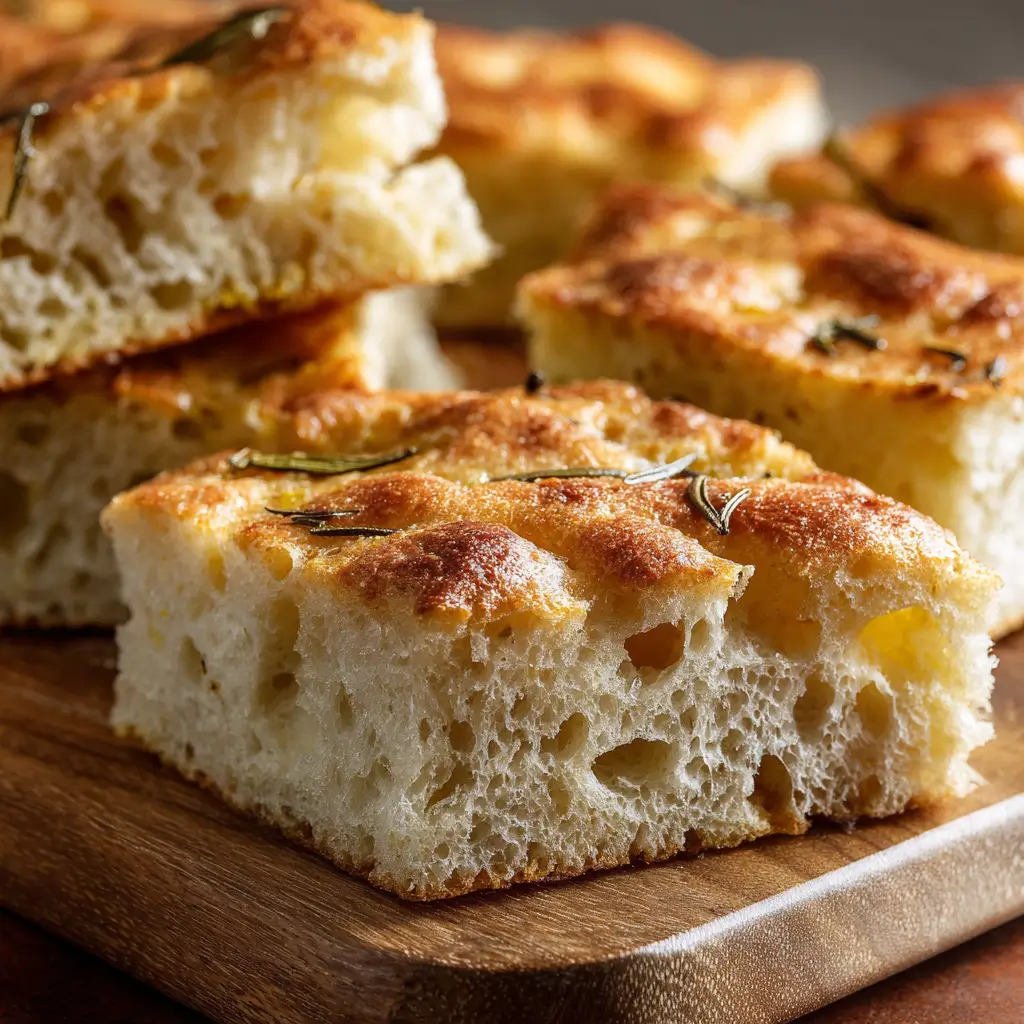
Imagine sinking your teeth into a slice of warm, pillowy No-Knead Focaccia Bread with a crispy, olive oil-infused exterior that crackles with each bite. This Italian flatbread classic brings bakery-quality results to your home kitchen—without the fuss of kneading! Perfect for bread-making novices and seasoned bakers alike, this no-knead focaccia bread recipe delivers impressive results with minimal effort. The slow fermentation process develops complex flavors while you barely lift a finger. You’ll learn how to create a perfectly dimpled, herb-flecked bread that’s ideal for dipping, sandwiches, or enjoying on its own.
Why You’ll Love This Recipe
This no-knead focaccia bread will quickly become your go-to bread recipe for several compelling reasons. First, the hands-off approach eliminates the intimidation factor—no vigorous kneading or special equipment required! Just mix, wait, and bake.
The texture is truly the star here—a harmonious contrast between the crackling, golden exterior and the airy, tender crumb inside. Each bite delivers that authentic Italian bread experience with pockets of olive oil nestled in the signature dimples.
Time works its magic in this recipe. The slow rise develops the same complex, slightly tangy flavor profile you’d expect from artisan bakeries. Plus, the versatility can’t be beaten—customize your focaccia with herbs, salt flakes, or other toppings to suit your meal or mood.
Perhaps most satisfying is the incredible aroma that fills your kitchen as it bakes. This easy homemade focaccia transforms your home into an Italian bakery with minimal effort but maximum reward.
Ingredients List for the No-Knead Focaccia Bread
These simple pantry staples transform into spectacular focaccia through the no-knead method. The high hydration level is key to developing the bread’s signature open, airy texture without kneading.
- 4¾ cups all-purpose flour (630 grams)
- 4½ tablespoons olive oil (59 grams)
- 2 teaspoon salt (12 grams)
- 1½ tablespoon instant dry yeast (13 grams, see notes)
- 2⅓ cups water, warm (100–110°F; 529 grams)
- Olive oil
- Coarse salt (optional)
- Dried rosemary (optional)
Pro Tips
To achieve focaccia perfection, these three techniques make all the difference:
Temperature matters: For the best rise, ensure your water is exactly within the 100-110°F range. Too hot will kill the yeast, while too cold will slow activation significantly. Use a kitchen thermometer for precision, or test with your wrist—it should feel warm but not hot.
Don’t rush the rise: The hour-long rise is critical for developing both flavor and texture. If your kitchen is particularly cold, consider extending the rise time by 15-20 minutes. You’ll know it’s ready when the dough has approximately doubled and looks puffy with small bubbles forming.
Master the dimpling technique: When creating the signature focaccia dimples, use well-oiled fingertips and press gently but deeply into the dough—almost to the bottom of the pan but not quite. This creates the perfect pockets for olive oil to pool, resulting in those delicious flavor-packed craters that define excellent focaccia bread.
Instructions
Step 1: Coat a 9×13-inch pan with non-stick oil spray. Set the pan aside.
Step 2: In a large mixing bowl, measure the flour, olive oil, salt, yeast and water together and beat with an electric mixer for 60 seconds.
Step 3: Transfer the dough into the oiled pan, cover the pan lightly with plastic wrap and let rise at room temperature for 1 hour.
Step 4: After the dough has been resting for 30 minutes, preheat the oven to 375°F.
Step 5: At the end of the 60-minute rise, gently press dimples in the surface of the dough with your finger.
Step 6: Drizzle olive oil over the top to settle into the dimples. Sprinkle with rosemary and flaky salt, if using.
Step 7: Bake the bread for 28-30 minutes until golden brown.
Step 8: Remove from the oven and cool on a wire rack for 5 minutes. Serve warm or room temperature.
Variations
The beauty of this easy focaccia bread recipe lies in its adaptability. Here are some delicious variations to try:
Mediterranean Focaccia: Before baking, press halved cherry tomatoes, pitted olives, and crumbled feta into the dimpled dough. After baking, finish with fresh basil leaves for a complete Mediterranean flavor profile that works beautifully as an appetizer or side to soups and salads.
Garlic and Herb Focaccia: Mix 4-5 minced garlic cloves and 2 tablespoons of fresh herbs (thyme, oregano, and rosemary work wonderfully) into the dough before the rise. This aromatic version pairs perfectly with pasta dishes or as the base for gourmet sandwiches.
Whole Wheat Option: For a more nutritious twist, substitute up to 50% of the all-purpose flour with whole wheat flour. This creates a slightly denser but more rustic bread with nutty undertones. You may need to add an extra tablespoon or two of water to maintain the proper hydration.
Storage and Serving
This homemade focaccia bread stays fresh at room temperature, tightly wrapped in plastic or stored in an airtight container, for up to 2 days. For longer storage, slice the focaccia and freeze it in a freezer-safe bag for up to 3 months. Thaw at room temperature and refresh by warming in a 350°F oven for 5 minutes.
For the ultimate serving experience, try these suggestions:
Slice your focaccia horizontally to create incredible sandwich bread—the dimpled surface adds character while capturing sauces and spreads. Fill with Italian deli meats, provolone, and roasted peppers for an unforgettable lunch.
Create an elevated appetizer by cutting the focaccia into small squares and serving alongside a dish of high-quality olive oil mixed with balsamic vinegar and fresh herbs for dipping.
For a simple yet satisfying side, warm slices of no-knead focaccia briefly in the oven and serve alongside soups, stews, or pasta dishes to soak up every last bit of delicious sauce.
FAQs
Can I use active dry yeast instead of instant yeast?
Yes, you can substitute active dry yeast, but you’ll need to activate it first. Dissolve the same amount in the warm water with a pinch of sugar, wait 5-10 minutes until foamy, then add to the remaining ingredients.
Why is my focaccia not rising properly?
The most common culprits are old yeast, water that’s too hot or cold, or a kitchen that’s too cool. Check your yeast’s expiration date, use a thermometer for water temperature, and consider extending rise time in cooler environments.
Can I prepare the dough ahead of time?
Absolutely! After mixing, you can refrigerate the dough for up to 24 hours. This slow fermentation actually enhances flavor. Just bring it to room temperature for about 30 minutes before proceeding with the dimpling and baking steps.
Is it normal for my dough to be very sticky?
Yes! No-knead focaccia bread dough has high hydration, making it naturally sticky. Resist adding extra flour, as this wetness creates the signature airy texture. Use oiled hands when handling the dough.
Can I add toppings other than rosemary and salt?
Definitely! Focaccia is incredibly versatile. Try thinly sliced onions, cherry tomatoes, olives, sun-dried tomatoes, or even thinly sliced potatoes. Add these before baking, gently pressing them into the dimpled dough.
No-Knead Focaccia Bread
- Prep Time: 15 mins
- Cook Time: 30 mins
- Total Time: 45 mins
- Yield: 4 people 1x
- Category: Appetizer
- Method: Cooking
- Cuisine: American
Description
Discover how to make delicious No-Knead Focaccia Bread at home with these easy tips. Try it today!
Ingredients
- 4¾ cups all-purpose flour (630 grams)
- 4½ tablespoons olive oil (59 grams)
- 2 teaspoon salt (12 grams)
- 1½ tablespoon instant dry yeast (13 grams, see notes)
- 2⅓ cups water (warm (100–110°F; 529 grams)
- Olive oil
- Coarse salt (optional)
- Dried rosemary (optional)
Instructions
- Step 1: Coat a 9×13-inch pan with non-stick oil spray. Set the pan aside.
- Step 2: In a large mixing bowl, measure the flour, olive oil, salt, yeast and water together and beat with an electric mixer for 60 seconds.
- Step 3: Transfer the the dough into the oiled pan, cover the pan lightly with plastic wrap and let rise at room temperature for 1 hour.
- Step 4: After the dough has been resting for 30 minutes, preheat the oven to 375°F.
- Step 5: At the end of the 60-minute rise, gently press dimples in the surface of the dough with your finger.
- Step 6: Drizzle olive oil over the top to settle into the dimples. Sprinkle with rosemary and flaky salt, if using.
- Step 7: Bake the bread for 28-30 minutes until golden brown.
- Step 8: Remove from the oven and cool on a wire rack for 5 minutes. Serve warm or room temperature.
Notes
Try This Recipe and Leave a comment Below, your opinion matters to me!
Nutrition
- Serving Size: 4 serving
- Calories: 400
- Sugar: 5g
- Sodium: 400mg
- Fat: 10g
- Saturated Fat: 3g
- Unsaturated Fat: 7g
- Trans Fat: 0g
- Carbohydrates: 40g
- Fiber: 5g
- Protein: 15g
- Cholesterol: 50mg