
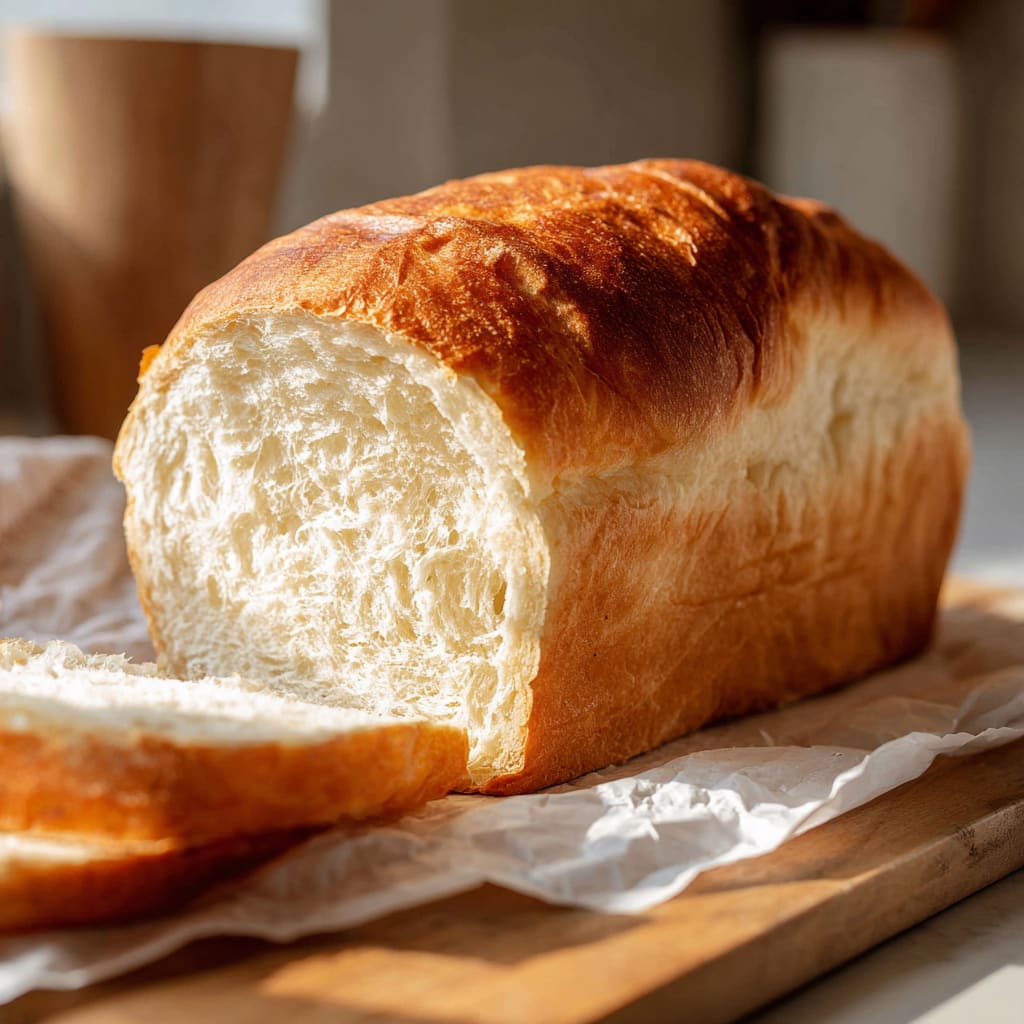
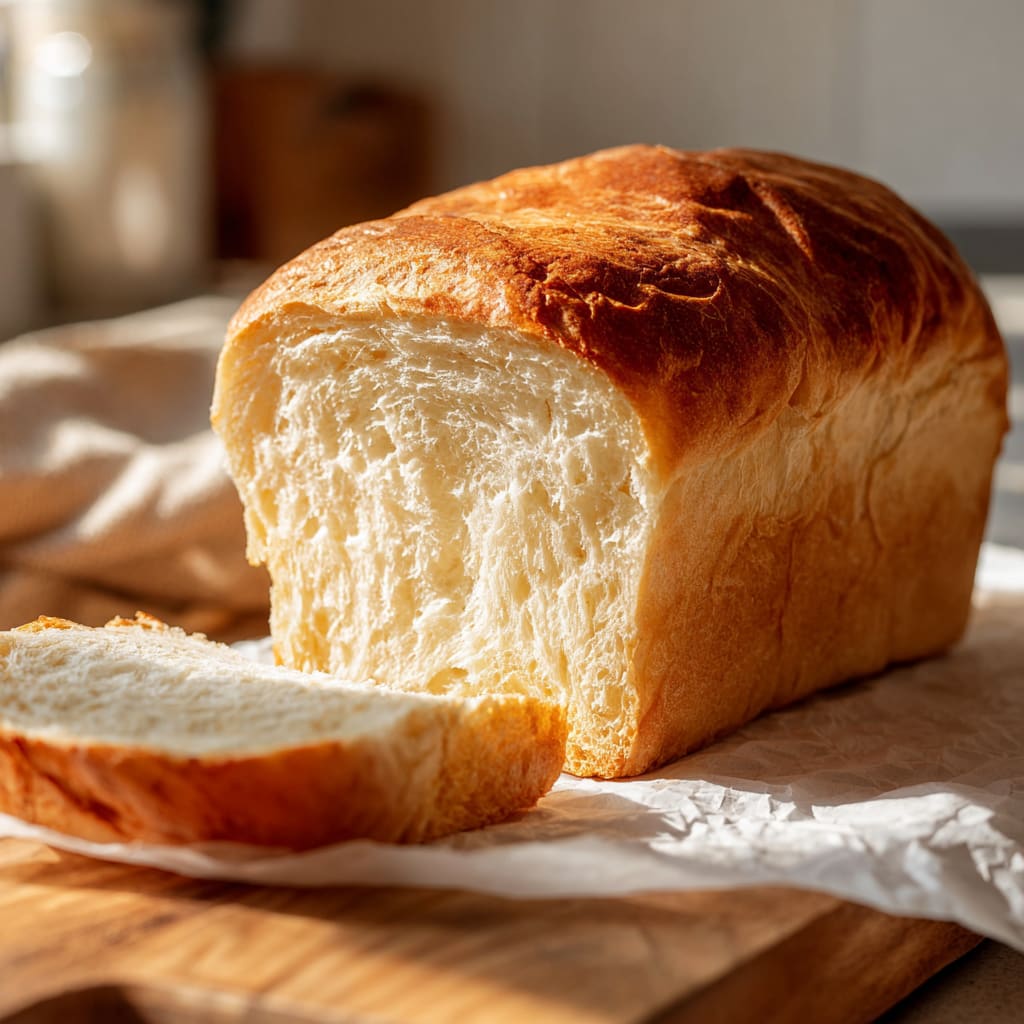
The aroma of freshly baked Amish White Bread wafting through your kitchen is an experience like no other. This soft, pillowy bread with its slightly sweet flavor and perfect golden crust has been a staple in Amish households for generations. What makes Amish White Bread truly special is its simplicity – with just a handful of basic ingredients, you can create a homemade loaf that rivals anything from an artisan bakery. Whether you’re an experienced baker or just starting your bread-making journey, this traditional Amish bread recipe delivers consistent, delicious results. You’ll learn how to create a perfectly textured loaf with a tender crumb that’s ideal for everything from sandwiches to toast to simply enjoying with a smear of butter.
Why You’ll Love This Recipe
This Amish White Bread recipe will quickly become your go-to homemade bread for several compelling reasons. First, the texture is absolutely perfect – a soft, pillowy interior that practically melts in your mouth, encased in a delicately crisp, golden crust that provides just the right amount of contrast. Unlike store-bought bread with its preservatives and additives, this traditional Amish bread recipe uses only simple, wholesome ingredients you likely already have in your pantry.
What truly sets this bread apart is its versatility. The slightly sweet profile makes it ideal for both sweet applications (think cinnamon toast or homemade French toast) and savory uses like sandwiches or alongside soups and stews. The recipe is also remarkably forgiving for beginners while still producing professional-quality results that will impress even experienced bakers.
Perhaps most appealing is how this bread fills your home with an irresistible aroma that creates an instant sense of comfort and warmth. There’s something deeply satisfying about slicing into a loaf of homemade Amish white bread that you’ve created with your own hands – a simple pleasure that connects you to generations of baking tradition.
Ingredients List for the Amish White Bread
The beauty of traditional Amish White Bread lies in its simple, wholesome ingredients. These basic pantry staples come together to create a bread with remarkable flavor and texture that surpasses anything pre-packaged.
• 1 cup warm water, (110-120°F)
• ⅓ Cups granulated sugar
• 1 packet, (2 ¼ teaspoons instant yeast)
• 3 cups all purpose flour
• ¾ teaspoons salt
• 2 tablespoons vegetable or canola oil
• 2 tablespoons unsalted butter, (melted)
Pro Tips
Creating perfect Amish White Bread requires attention to a few critical details that can make all the difference in your final loaf. First, water temperature is crucial when activating your yeast – too cold and the yeast won’t activate properly, too hot and you’ll kill it. Use a thermometer to ensure your water is between 110-120°F for optimal yeast activation. The mixture should become foamy and fragrant after about 10 minutes – this is how you know your yeast is alive and ready to work its magic.
Kneading technique also significantly impacts your bread’s texture. Whether using a stand mixer or kneading by hand, look for the dough to develop elasticity and smoothness. The window pane test is reliable – stretch a small piece of dough; if it stretches thin enough to see light through without tearing, it’s properly developed.
Finally, be patient with rising times. The double rise is essential for developing proper structure and flavor in traditional Amish bread. Rising times are guidelines – what matters is that the dough doubles in size during each rise. Remember that a cooler kitchen means longer rising times, while warmer conditions speed up the process. Using a proofing box or a turned-off oven with just the light on creates an ideal environment for consistent rising.
Instructions
Step 1: In a small bowl, stir together the water, sugar, and yeast. Let sit for 10 minutes, until bubbles form.
Step 2: In the bowl of a stand mixer fitted with the dough hook attachment, add the flour, salt, and oil. Pour in the yeast mixture. Turn the mixer to medium and allow to knead until the dough no longer sticks to the sides of the bowl, about 10 minutes.
Step 3: Roll into a tight ball and transfer to a greased bowl. Cover loosely with plastic wrap and let rise in a dark, warm, draft free place for 60 to 90 minutes, until doubled in size.
Step 4: Deflate and shape into a log to fit in a 9×5 loaf pan. Cover loosely with plastic wrap and let rise in a dark, warm, draft free place for 50 to 60 minutes, until doubled in size.
Step 5: Preheat the oven to 350°F about 20 minutes before the second rise is done.
Step 6: Bake for 25 to 30 minutes, until golden brown.
Step 7: Brush the crust with melted butter and let cool for 10 minutes in the pan.
Step 8: Remove loaf from pan and transfer to a cooling rack to cool completely.
Variations
The classic Amish White Bread recipe is wonderful as is, but there are several delicious variations worth exploring. For a heartier loaf, try substituting one cup of all-purpose flour with whole wheat flour – this creates a slightly denser bread with a nuttier flavor profile while maintaining the signature softness. This whole wheat Amish bread variation pairs beautifully with heartier soups and stews.
For those with a sweet tooth, cinnamon swirl Amish White Bread is a game-changer. After the first rise, roll the dough into a rectangle, sprinkle generously with a mixture of cinnamon and sugar (about ¼ cup sugar to 1 tablespoon cinnamon), then roll tightly and place in your loaf pan for the second rise. The result is a stunning spiral of cinnamon sweetness perfect for breakfast.
For a savory twist, consider adding roasted garlic and herbs like rosemary or thyme to the dough before the first rise. This aromatic Amish bread variation elevates sandwiches and makes an impressive accompaniment to pasta dishes or salads.
Storage and Serving
Homemade Amish White Bread lacks the preservatives of store-bought varieties, so proper storage is essential to maintain freshness. Once completely cooled, store your bread in an airtight container or bread bag at room temperature for up to 3 days. For longer storage, slice the entire loaf, place parchment paper between slices, and freeze in a freezer-safe bag for up to 3 months. Individual slices can be toasted directly from frozen.
This traditional Amish bread truly shines when served warm with a spread of butter and honey or homemade jam. For a heartier breakfast, thick-cut slices make exceptional French toast when dipped in a mixture of eggs, cinnamon, vanilla, and milk before pan-frying to golden perfection.
For lunch, use your homemade white bread to elevate a simple sandwich – the slightly sweet notes in the bread complement both savory fillings like turkey and cheese or sweeter options like peanut butter and banana. For dinner, serve warm slices alongside a bowl of homemade soup or stew, allowing the bread to soak up every last delicious drop.
FAQs
Can I make Amish White Bread without a stand mixer?
Absolutely! While a stand mixer makes the process easier, you can knead the dough by hand on a lightly floured surface for about 10-12 minutes until smooth and elastic. The tactile experience of hand-kneading can actually help you better understand when the dough has reached the ideal consistency.
Why didn’t my bread rise properly?
The most common culprits are inactive yeast or improper temperature. Always check that your yeast is fresh and ensure your water is between 110-120°F. Also, rising environments should be warm and draft-free – a temperature around 75-85°F is ideal for yeast activity.
Can I use bread flour instead of all-purpose flour?
Yes, bread flour can be substituted 1:1 in this Amish White Bread recipe. It will produce a slightly chewier texture with more gluten development, which some bakers prefer for sandwich bread.
Why do you brush the loaf with butter after baking?
Brushing with butter creates a softer crust while adding rich flavor and a beautiful sheen to your finished loaf. It’s a traditional technique in Amish baking that elevates the humble white bread to something special.
Can I reduce the sugar in this recipe?
While you can reduce the sugar to as little as 2 tablespoons, it serves important functions beyond sweetness – it helps feed the yeast, contributes to browning, and affects the bread’s texture. The finished bread doesn’t taste overtly sweet even with the full amount of sugar.

Amish White Bread
- Prep Time: 15 mins
- Cook Time: 30 mins
- Total Time: 45 mins
- Yield: 4 people 1x
- Category: Breakfast
- Method: Cooking
- Cuisine: American
Description
Learn how to make delicious Amish White Bread with this easy recipe. Discover the secret to homemade bread!
Ingredients
- 1 cup warm water, (110-120°F)
- ⅓ Cups granulated sugar
- 1 packet, (2 ¼ teaspoons instant yeast)
- 3 cups all purpose flour
- ¾ teaspoons salt
- 2 tablespoons vegetable or canola oil
- 2 tablespoons unsalted butter, (melted)
Instructions
- Step 1: In a small bowl, stir together the water, sugar, and yeast. Let sit for 10 minutes, until bubbles form.
- Step 2: In the bowl of a stand mixer fitted with the dough hook attachment, add the flour, salt, and oil. Pour in the yeast mixture. Turn the mixer to medium and allow to knead until the dough no longer sticks to the sides of the bowl, about 10 minutes.
- Step 3: Roll into a tight ball and transfer to a greased bowl. Cover loosely with plastic wrap and let rise in a dark, warm, draft free place for 60 to 90 minutes, until doubled in size.
- Step 4: Deflate and shape into a log to fit in a 9×5 loaf pan. Cover loosely with plastic wrap and let rise in a dark, warm, draft free place for 50 to 60 minutes, until doubled in size.
- Step 5: Preheat the oven to 350°F about 20 minutes before the second rise is done.
- Step 6: Bake for 25 to 30 minutes, until golden brown.
- Step 7: Brush the crust with melted butter and let cool for 10 minutes in the pan.
- Step 8: Remove loaf from pan and transfer to a cooling rack to cool completely.
Notes
Try This Recipe and Leave a comment Below, your opinion matters to me!
Nutrition
- Serving Size: 4 serving
- Calories: 400
- Sugar: 5g
- Sodium: 400mg
- Fat: 10g
- Saturated Fat: 3g
- Unsaturated Fat: 7g
- Trans Fat: 0g
- Carbohydrates: 40g
- Fiber: 5g
- Protein: 15g
- Cholesterol: 50mg