
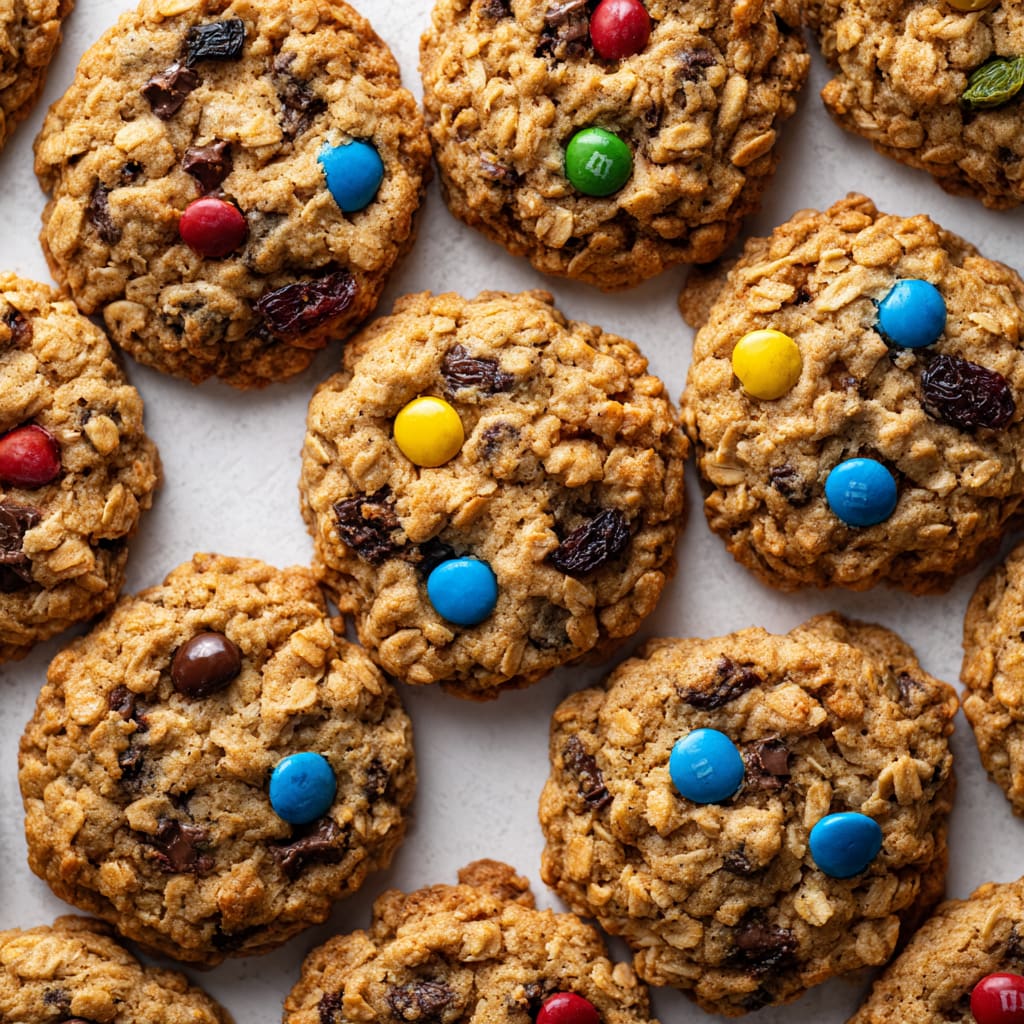
Imagine biting into a warm, chewy oatmeal cookie with crispy edges and a hint of cinnamon that immediately transports you to grandma’s kitchen. These classic oatmeal cookies combine wholesome rolled oats with buttery richness and just the right amount of sweetness to create the perfect comfort treat. Whether you’re dunking them in milk or enjoying them on their own, homemade oatmeal cookies strike that perfect balance between nostalgic flavor and satisfying texture. You’ll learn how to make perfectly chewy yet crisp oatmeal cookies every time, plus discover variations that make this timeless recipe even more special.
Why You’ll Love This Recipe
These classic oatmeal cookies stand out for countless reasons. First, they offer that irresistible textural contrast between the slightly crisp exterior and soft, chewy interior that defines the perfect cookie. The wholesome goodness of rolled oats gives these treats a hearty texture and subtle nuttiness that elevates them beyond ordinary cookies.
What makes this oatmeal cookie recipe truly special is its versatility and foolproof nature. Even novice bakers achieve spectacular results, as the dough is forgiving and adaptable. The recipe uses simple pantry staples you likely already have on hand, making it perfect for spontaneous baking sessions.
The warm aromatic blend of cinnamon and vanilla creates a comforting scent that fills your home as they bake. Each bite delivers a perfect harmony of butter, brown sugar, and oats—creating that distinctive oatmeal cookie flavor that’s simultaneously sophisticated and homey. Best of all, these cookies maintain their delightful texture for days, making them ideal for both immediate enjoyment and make-ahead treats.
Ingredients
For approximately 24 delicious oatmeal cookies, you’ll need:
- 1 cup (226g) unsalted butter, softened
- 1 cup (200g) packed brown sugar (dark preferred for deeper flavor)
- ½ cup (100g) granulated sugar
- 2 large eggs, room temperature
- 1 tablespoon vanilla extract
- 1½ cups (190g) all-purpose flour
- 1 teaspoon baking soda
- 1 teaspoon ground cinnamon
- ½ teaspoon salt
- 3 cups (270g) old-fashioned rolled oats (not quick-cooking)
- 1 cup (170g) raisins (optional)
The old-fashioned rolled oats are crucial for authentic texture—they provide that signature chew that defines classic oatmeal cookies. Dark brown sugar contains more molasses than light, giving these cookies their characteristic deep, caramel-like sweetness and contributing to their chewy texture. For the best flavor, use high-quality vanilla extract rather than imitation vanilla.
Pro Tips
Perfect your butter consistency: The foundation of great oatmeal cookies begins with properly softened butter—not melted, not cold, but soft enough that your finger leaves a slight indentation when pressed. This creates the ideal cookie structure. For even better flavor, try browning half the butter before cooling it to room temperature and creaming with the remaining butter.
Master the mixing technique: When combining wet and dry ingredients, mix just until no flour streaks remain. Overmixing develops gluten, resulting in tough cookies rather than tender ones. When adding oats, use a few gentle folds with your spatula rather than mechanical mixing. This careful approach ensures perfectly textured oatmeal cookies with the ideal balance of chewiness and tenderness.
Chill for superior flavor development: While you can bake these cookies immediately, chilling the dough for at least 30 minutes (or up to 24 hours) allows the oats to hydrate and the flavors to meld. This patience yields oatmeal cookies with enhanced flavor complexity and better texture. For convenience, you can portion the dough before chilling, allowing you to bake fresh cookies whenever the craving strikes.

Instructions
Step 1: Prepare Your Ingredients and Equipment
Preheat your oven to 350°F (175°C) and line two baking sheets with parchment paper or silicone baking mats. Set aside. Measure all ingredients ahead of time, ensuring butter and eggs are at room temperature for optimal creaming. If using raisins, place them in a small bowl and cover with hot water for 5 minutes to plump them, then drain and pat dry.
Step 2: Cream Butter and Sugars
In a large bowl, beat the softened butter with both sugars using an electric mixer on medium speed until light and fluffy, about 3-4 minutes. Don’t rush this step—proper creaming incorporates air into your oatmeal cookies, creating that perfect texture. You’ll notice the mixture changing to a lighter color and fluffier consistency when properly creamed.
Step 3: Add Eggs and Vanilla
Add eggs one at a time, beating well after each addition until fully incorporated. Scrape down the sides of the bowl as needed. Mix in the vanilla extract until just combined. The mixture should look smooth and glossy at this stage.
Step 4: Combine Dry Ingredients
In a separate medium bowl, whisk together the flour, baking soda, cinnamon, and salt. This ensures even distribution of leavening agents and spices throughout your oatmeal cookies. For an extra flavor dimension, toast your oats in a dry skillet for 3-4 minutes until lightly fragrant before adding them to the recipe.
Step 5: Create the Dough
Gradually add the dry ingredients to the wet mixture, mixing on low speed just until combined. Fold in the rolled oats using a rubber spatula, followed by the raisins (if using). The dough will be thick and slightly sticky—this is exactly what you want for perfect oatmeal cookies.
Step 6: Shape and Bake
Using a cookie scoop or tablespoon, drop rounded portions of dough onto the prepared baking sheets, spacing them about 2 inches apart. Slightly flatten each cookie with your palm for even baking. Bake for 10-12 minutes until the edges are golden but the centers still look slightly underdone. This ensures your oatmeal cookies remain chewy after cooling.
Step 7: Cool and Enjoy
Allow cookies to rest on the baking sheet for 5 minutes before transferring to a wire rack to cool completely. This resting period is crucial as it allows the oatmeal cookies to set up properly. Store cooled cookies in an airtight container at room temperature.
Variations
Classic Oatmeal Raisin Chocolate Chip Cookies: Transform traditional oatmeal cookies by adding ¾ cup semi-sweet chocolate chips alongside the raisins. The combination of chocolate’s richness with the fruity sweetness of raisins creates an irresistible flavor profile. For an even more decadent version, use chocolate chunks instead of chips for melty pockets of chocolate throughout each cookie.
Nutty Oatmeal Cranberry Cookies: Replace raisins with dried cranberries and add ¾ cup chopped toasted walnuts or pecans for cookies with delightful textural contrast and a sophisticated flavor profile. The cranberries provide tangy brightness that beautifully complements the earthy nuts and sweet oatmeal cookie base. A touch of orange zest (about 1 teaspoon) enhances the cranberry flavor beautifully.
Gluten-Free Oatmeal Cookies: Create an inclusive treat by substituting the all-purpose flour with a high-quality 1:1 gluten-free flour blend. Ensure your oats are certified gluten-free, as regular oats may have cross-contamination. These adaptations maintain the classic oatmeal cookie experience while accommodating dietary restrictions without sacrificing flavor or texture.
Storage and Serving
Store your baked oatmeal cookies in an airtight container at room temperature for up to 5 days. To maintain maximum freshness, place a slice of bread in the container—the cookies will absorb moisture from the bread, staying soft and chewy longer. For extended storage, freeze baked cookies for up to 3 months or freeze portioned dough for up to 2 months, allowing you to enjoy fresh-baked oatmeal cookies whenever the mood strikes.
Serve these cookies slightly warm for the ultimate comfort experience—15 seconds in the microwave revives day-old cookies to fresh-baked perfection. Create an elevated dessert by sandwiching vanilla ice cream between two cookies for a homemade oatmeal cookie ice cream sandwich. For a delightful breakfast treat, crumble oatmeal cookies over yogurt and fresh fruit for a playful parfait that combines wholesome ingredients with a touch of indulgence.
FAQs
Why did my oatmeal cookies spread too much?
Excessive spreading typically results from butter that’s too soft or warm. Ensure your butter is softened but still cool to the touch. If your dough feels warm, refrigerate it for 30 minutes before baking. Using parchment paper rather than greasing your baking sheets also helps prevent spreading.
Can I use quick oats instead of old-fashioned?
While you can substitute quick oats, they’ll produce a different texture in your oatmeal cookies. Quick oats absorb more moisture and create a softer, less chewy cookie with less defined texture. For the authentic chewy oatmeal cookie experience, old-fashioned rolled oats are recommended.
Why are my oatmeal cookies dry?
Dry cookies typically result from overbaking or mismeasuring flour. Remove cookies from the oven when edges are golden but centers look slightly underdone, as they continue baking on the hot sheet. Measure flour by spooning it into measuring cups rather than scooping directly from the bag, which compacts it.
How can I make my oatmeal cookies chewier?
For extra-chewy oatmeal cookies, use a higher ratio of brown sugar to granulated sugar, as molasses in brown sugar adds moisture. Also, replacing one egg white with an additional egg yolk increases chewiness, as does reducing baking time by 1-2 minutes.
Can I make the cookie dough ahead of time?
Absolutely! Oatmeal cookie dough can be refrigerated for up to 3 days or frozen for 2 months. Refrigerated dough may require a minute or two of additional baking time, while frozen dough balls can go directly into the oven, adding about 2-3 minutes to the baking time.

Oatmeal Cookies
- Prep Time: 20 minutes
- Cook Time: 10-12 minutes
- Total Time: 32-34 minutes
- Yield: 24 cookies 1x
- Category: Dessert
- Method: Baking
- Cuisine: Americaine
Description
Delicious Oatmeal Cookies: Chewy, comforting treats packed with wholesome oats and sweet raisins. Perfect for a quick snack or crowd-pleasing dessert.
Ingredients
- 1 cup unsalted butter, softened
- 1 cup packed brown sugar (dark preferred for deeper flavor)
- ½ cup granulated sugar
- 2 large eggs, room temperature
- 1 tablespoon vanilla extract
- 1½ cups all-purpose flour
- 1 teaspoon baking soda
- 1 teaspoon ground cinnamon
- ½ teaspoon salt
- 3 cups old-fashioned rolled oats (not quick-cooking)
- 1 cup raisins (optional)
Instructions
- Step 1: Prepare Your Ingredients and Equipment Preheat your oven to 350°F (175°C) and line two baking sheets with parchment paper or silicone baking mats. Set aside. Measure all ingredients ahead of time, ensuring butter and eggs are at room temperature for optimal creaming. If using raisins, place them in a small bowl and cover with hot water for 5 minutes to plump them, then drain and pat dry.
- Step 2: Cream Butter and Sugars In a large bowl, beat the softened butter with both sugars using an electric mixer on medium speed until light and fluffy, about 3-4 minutes. Don’t rush this step—proper creaming incorporates air into your oatmeal cookies, creating that perfect texture. You’ll notice the mixture changing to a lighter color and fluffier consistency when properly creamed.
- Step 3: Add Eggs and Vanilla Add eggs one at a time, beating well after each addition until fully incorporated. Scrape down the sides of the bowl as needed. Mix in the vanilla extract until just combined. The mixture should look smooth and glossy at this stage.
- Step 4: Combine Dry Ingredients In a separate medium bowl, whisk together the flour, baking soda, cinnamon, and salt. This ensures even distribution of leavening agents and spices throughout your oatmeal cookies. For an extra flavor dimension, toast your oats in a dry skillet for 3-4 minutes until lightly fragrant before adding them to the recipe.
- Step 5: Create the Dough Gradually add the dry ingredients to the wet mixture, mixing on low speed just until combined. Fold in the rolled oats using a rubber spatula, followed by the raisins (if using). The dough will be thick and slightly sticky—this is exactly what you want for perfect oatmeal cookies.
- Step 6: Shape and Bake Using a cookie scoop or tablespoon, drop rounded portions of dough onto the prepared baking sheets, spacing them about 2 inches apart. Slightly flatten each cookie with your palm for even baking. Bake for 10-12 minutes until the edges are golden but the centers still look slightly underdone. This ensures your oatmeal cookies remain chewy after cooling.
- Step 7: Cool and Enjoy Allow cookies to rest on the baking sheet for 5 minutes before transferring to a wire rack to cool completely. This resting period is crucial as it allows the oatmeal cookies to set up properly. Store cooled cookies in an airtight container at room temperature.
Notes
Fresh ingredients will always yield the best flavor results.
Nutrition
- Serving Size: 1 cookie
- Calories: 190
- Sugar: 15g
- Sodium: 105mg
- Fat: 8g
- Saturated Fat: 5g
- Unsaturated Fat: 3g
- Trans Fat: 0g
- Carbohydrates: 27g
- Fiber: 1g
- Protein: 2g
- Cholesterol: 30mg