
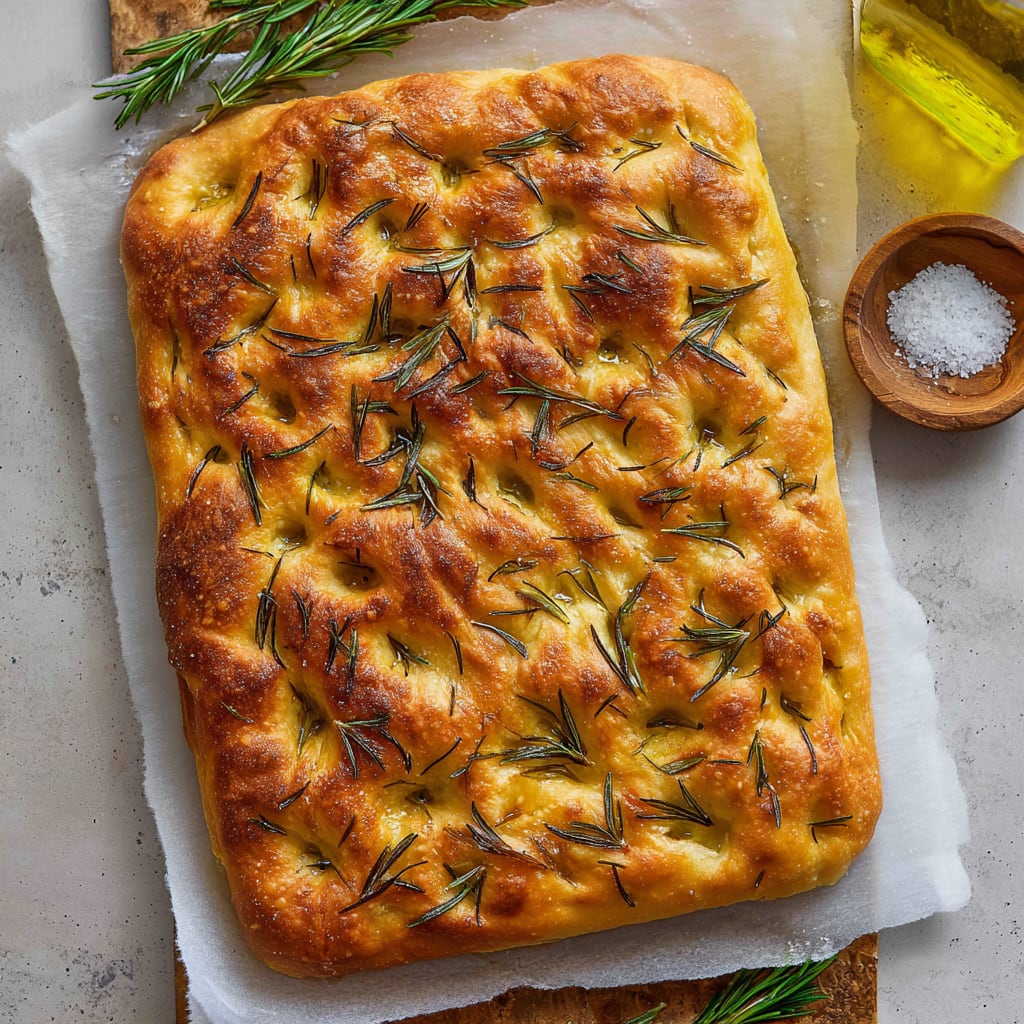
Imagine sinking your teeth into a warm slice of no-knead focaccia with a crispy golden exterior that gives way to a pillowy, airy interior perfumed with olive oil and aromatic rosemary. This Italian bread classic doesn’t demand fancy equipment or expert bread-making skills—just patience. The no-knead focaccia method revolutionizes homemade bread baking by replacing physical labor with time, allowing the dough to develop exceptional flavor and texture through a long, slow fermentation. You’ll learn how to create bakery-quality no-knead focaccia with minimal effort and maximum reward, all while filling your kitchen with an irresistible aroma that will have everyone asking for seconds.
Why You’ll Love This Recipe
This no-knead focaccia recipe stands out from others for several compelling reasons. First, the hands-off approach means even bread-making beginners can achieve impressive results without the intimidating kneading process. The long fermentation creates a depth of flavor that quick bread recipes simply can’t match, developing complex, slightly tangy notes that balance perfectly with the rich olive oil.
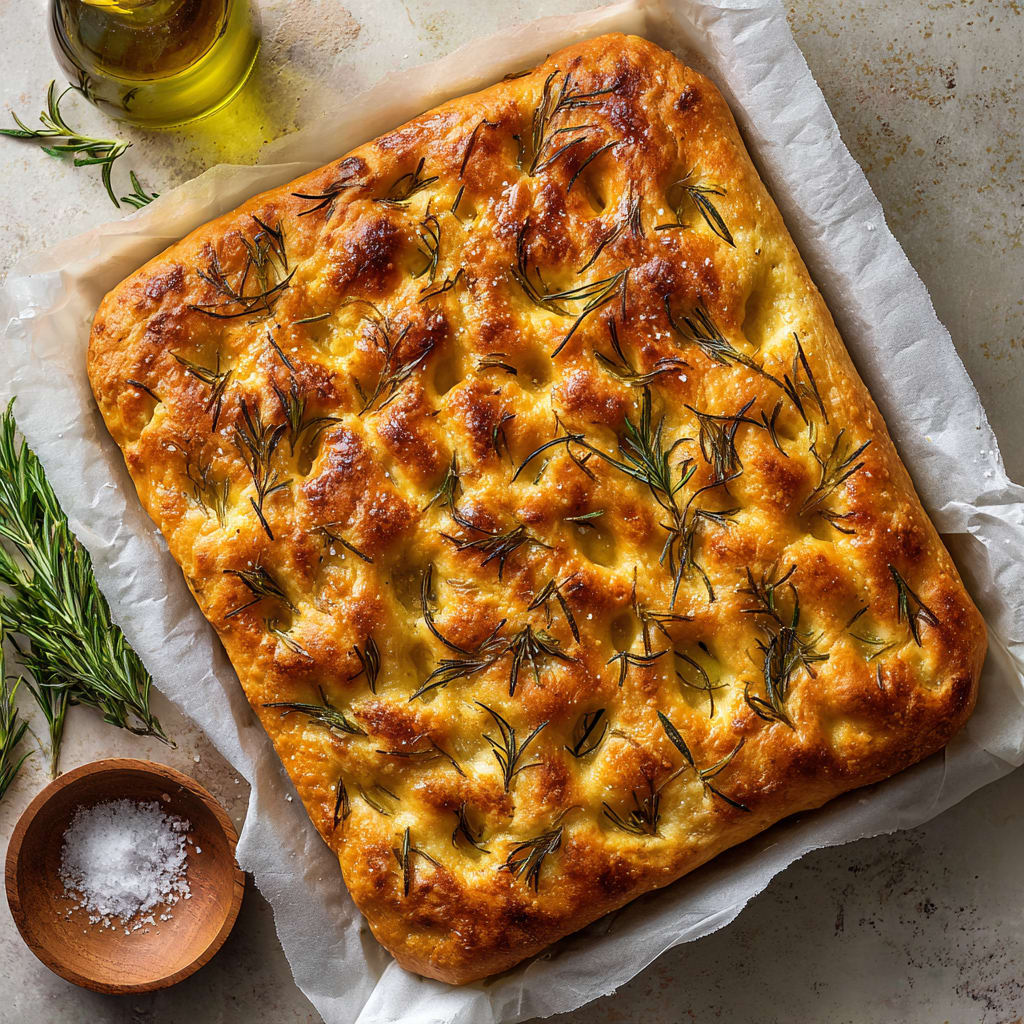
The textural contrast is truly exceptional—the base develops a satisfyingly crisp bottom from baking in olive oil, while the interior crumb remains tender with beautiful air pockets throughout. The dimpled surface not only creates the signature focaccia look but also creates perfect little pools for olive oil and toppings to concentrate flavor.
Perhaps best of all, this easy Italian focaccia bread requires just minutes of active work spread across a couple of days, making it perfect for busy schedules. The recipe is incredibly forgiving and adaptable, allowing you to customize it with your favorite herbs, spices, or toppings while maintaining that authentic artisanal bread experience.
Ingredients List for the No-Knead Focaccia
This simple no-knead focaccia relies on quality ingredients and time to develop its characteristic flavor and texture. The high hydration dough is what gives this bread its signature open crumb structure and chewy interior.
- 4 cups All-purpose flour
- 2 tsp Yeast
- 1 tsp Salt
- 2 tsp Sugar
- 2 cups Lukewarm water
- 4 tbsp Olive oil
- Sea salt and Rosemary for sprinkling on top
Pro Tips
For the absolute best no-knead focaccia, the following techniques will elevate your bread from good to exceptional:
First, temperature matters tremendously. Use water that’s around 100-105°F (lukewarm)—too hot will kill the yeast, too cold will slow fermentation. If your kitchen is cold, consider placing the dough in the oven with just the light on to create a warm environment for rising.
Second, the fold technique is crucial for developing structure without kneading. When folding the dough over itself as described in the instructions, do so gently to preserve the air bubbles that have formed during fermentation. This creates that coveted open, irregular crumb structure that defines great focaccia.
Finally, don’t rush the dimpling process before baking. Press your fingertips all the way to the bottom of the pan when creating those signature focaccia dimples. This prevents the dough from puffing up unevenly and creates perfect pockets for olive oil and salt to pool, intensifying flavor in every bite.
Instructions
Step 1: Combine the flour, yeast, salt, and sugar in a large bowl.
Step 2: Pour over the lukewarm water. Mix well with a spatula until a sticky dough is formed.
Step 3: Pour a teaspoon or two of olive oil on the surface of the dough and rub it all over.
Step 4: Cover with plastic wrap and refrigerate for 18-24 hours. I kept it for 24 hours.
Step 5: When you’re ready to bake, grease a 9″ x 13″ or 10″ x 12″ pan. Line the bottom with parchment paper. You may not need to do that if your pan is non-stick. I used a 10″ x12″ pan and lined it too.
Step 6: Take out the refrigerated dough. Oil your hands and gently bring the proofed dough in from the sides of the bowl.
Step 7: Fold the dough over itself. Turn the bowl a quarter of the way and fold the dough over itself again. Do 3 more quarter turns of the bowl with folding over the dough each time. Repeat this step once more.
Step 8: Pour 2 tablespoons of olive oil in the center of the prepared pan.
Step 9: Gently place the deflated dough on the olive oil. Roll it a couple of times to coat it well with oil.
Step 10: Cover this with plastic wrap or a kitchen towel and keep in a draft-free place for 2-4 hours or until the dough doubles and covers the pan. Mine doubled in 1.5 hours.
Step 11: Preheat the oven to 220 C.
Step 12: Sprinkle rosemary (if using) all over the surface of the dough.
Step 13: Pour over the remaining 2 tablespoons of olive oil on the dough and spread it all over. Dimple the dough using your fingers. Sprinkle the sea salt.
Step 14: Bake the bread at 220 C for 25-30 minutes, until the top is golden brown. The bottom of the bread should be crispy.
Step 15: Let the bread rest in the pan for 5 minutes before turning it out on a cooling rack. Slice warm or let it cool completely. Enjoy!
Variations
The beauty of no-knead focaccia lies in its versatility. For a classic Italian twist, try adding halved cherry tomatoes, thinly sliced red onion, and a sprinkle of oregano before baking. Press these ingredients gently into the dimpled dough for a rustic focaccia that pairs perfectly with pasta dishes.
For a more indulgent version, add grated parmesan cheese to both the dough and the topping. The cheese creates a savory crust that’s absolutely irresistible. You can also press thin slices of garlic into the dimples along with the olive oil for an aromatic garlic focaccia bread that makes excellent sandwich material.
Those with dietary restrictions haven’t been forgotten—this easy homemade focaccia can be adapted by substituting up to 50% of the all-purpose flour with whole wheat flour for a heartier, more nutritious loaf. Just note that you may need to increase the water slightly as whole wheat flour absorbs more moisture.
Storage and Serving
Freshly baked no-knead focaccia will stay delicious at room temperature, wrapped in a clean kitchen towel, for up to two days. For longer storage, wrap it tightly in plastic wrap and freeze for up to one month. Reheat frozen focaccia in a 350°F oven for about 10 minutes to restore its crispy exterior.
For serving, this Italian flatbread truly shines when enjoyed as part of a Mediterranean-style spread. Slice it into generous squares and serve alongside high-quality olive oil mixed with balsamic vinegar for dipping. Alternatively, slice it horizontally to create spectacular sandwiches filled with Italian cold cuts, roasted vegetables, and fresh mozzarella.
For a simple yet elegant appetizer, cut the no-knead focaccia into thin strips and serve with a selection of soft cheeses, olives, and a glass of crisp white wine. The bread’s sturdy texture and flavor-absorbing qualities make it the perfect canvas for showcasing quality ingredients.
FAQs
Can I use instant yeast instead of active dry yeast?
Yes, you can substitute instant yeast for active dry yeast in this no-knead focaccia recipe without changing the amount. The advantage is that instant yeast doesn’t need to be activated in water first, so you can mix it directly with the dry ingredients.
Why did my focaccia not rise properly?
Insufficient rising is usually caused by one of three things: old yeast that’s lost its potency, water that’s too hot (which kills the yeast), or a kitchen environment that’s too cold. Try using fresh yeast, lukewarm water (not hot), and finding a warmer spot for proofing.
Can I make the dough ahead of time?
Absolutely! The refrigeration period can actually be extended up to 72 hours, which will develop even deeper flavors in your no-knead focaccia. The cold temperature slows fermentation but doesn’t stop it.
Why is my focaccia dense instead of airy?
A dense texture usually indicates the dough was handled too roughly during the folding process, deflating the air bubbles. Handle the dough very gently, especially after the long fermentation, to preserve those air pockets that create the classic open crumb structure.
Can I add toppings other than rosemary?
Yes! This homemade focaccia bread recipe works wonderfully with countless toppings. Try caramelized onions, olives, sun-dried tomatoes, various herbs, or even thinly sliced potatoes. Add most toppings before the final proof or just before baking.
No-Knead Focaccia
- Prep Time: 15 mins
- Cook Time: 30 mins
- Total Time: 45 mins
- Yield: 4 people 1x
- Category: Appetizer
- Method: Cooking
- Cuisine: American
Description
Discover the easiest way to make No-Knead Focaccia at home. Enjoy delicious homemade bread with minimal effort. Try it today!
Ingredients
- 4 cups All-purpose flour
- 2 tsp Yeast
- 1 tsp Salt
- 2 tsp Sugar
- 2 cups Lukewarm water
- 4 tbsp Olive oil
- Sea salt and Rosemary for sprinkling on top
Instructions
- Step 1: Combine the flour, yeast, salt, and sugar in a large bowl.
- Step 2: Pour over the lukewarm water. Mix well with a spatula until a sticky dough is formed.
- Step 3: Pour a teaspoon or two of olive oil on the surface of the dough and rub it all over.
- Step 4: Cover with plastic wrap and refrigerate for 18-24 hours. I kept it for 24 hours.
- Step 5: When you’re ready to bake, grease a 9″ x 13″ or 10″ x 12″ pan. Line the bottom with parchment paper. You may not need to do that if your pan is non-stick.I used a 10″ x12″ pan and lined it too.
- Step 6: Take out the refrigerated dough. Oil your hands and gently bring the proofed dough in from the sides of the bowl.
- Step 7: Fold the dough over itself. Turn the bowl a quarter of the way and fold the dough over itself again. Do 3 more quarter turns of the bowl with folding over the dough each time.Repeat this step once more.
- Step 8: Pour 2 tablespoons of olive oil in the center of the prepared pan.
- Step 9: Gently place the deflated dough on the olive oil. Roll it a couple of times to coat it well with oil.
- Step 10: Cover this with plastic wrap or a kitchen towel and keep in a draft-free place for 2-4 hours or until the dough doubles and covers the pan.Mine doubled in Step 1: 5 hours.
- Step 11: Preheat the oven to 220 C.
- Step 12: Sprinkle rosemary ( if using ) all over the surface of the dough.
- Step 13: Pour over the remaining 2 tablespoons of olive oil on the dough and spread it all over. Dimple the dough using your fingers. Sprinkle the sea salt.
- Step 14: Bake the bread at 220 C for 25-30 minutes, until the top is golden brown. The bottom of the bread should be crispy.
- Step 15: Let the bread rest in the pan for 5 minutes before turning it out on a cooling rack. Slice warm or let it cool completely. Enjoy!
Notes
Try This Recipe and Leave a comment Below, your opinion matters to me!
Nutrition
- Serving Size: 4 serving
- Calories: 400
- Sugar: 5g
- Sodium: 400mg
- Fat: 10g
- Saturated Fat: 3g
- Unsaturated Fat: 7g
- Trans Fat: 0g
- Carbohydrates: 40g
- Fiber: 5g
- Protein: 15g
- Cholesterol: 50mg