
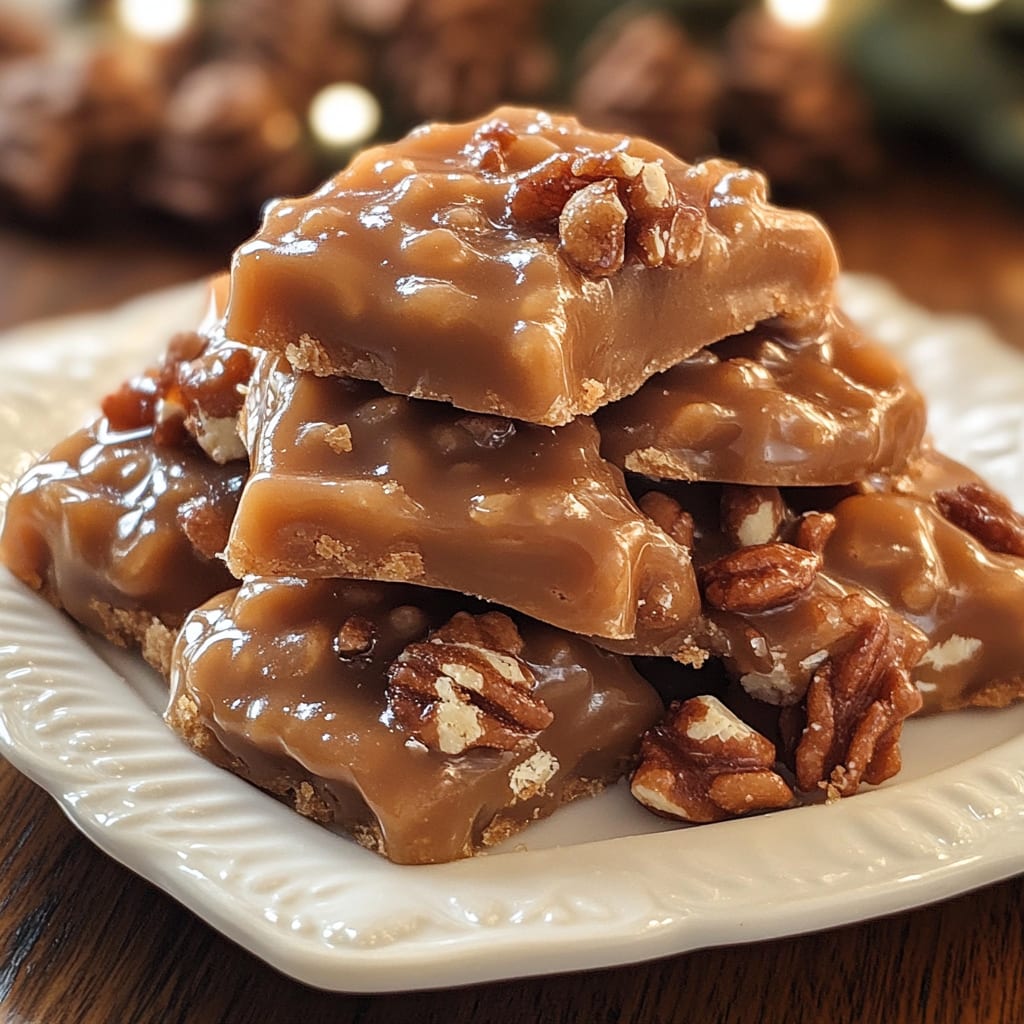
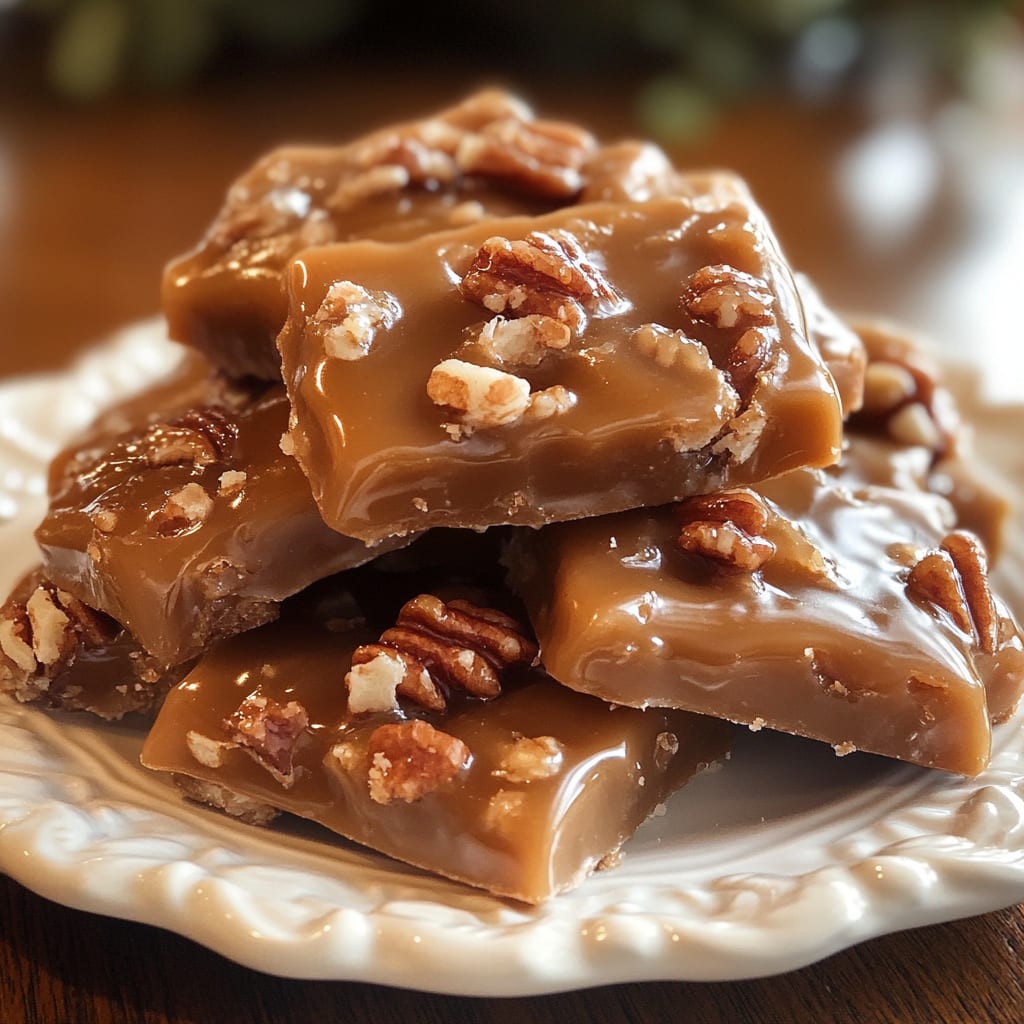
The irresistible buttery, sweet crunch of a perfectly made Louisiana Praline is one of the South’s most beloved confections. These delectable candies feature a rich caramelized sugar base studded with toasted pecans, creating a treat that melts in your mouth with each heavenly bite. Native to New Orleans but cherished worldwide, the Louisiana Praline combines simple ingredients into something truly magical—where sugar transforms into a complex symphony of caramel notes wrapped around nutty pecan pieces. You’ll learn how to create this iconic Southern candy in your own kitchen with foolproof techniques that result in pralines that would make any Creole grandmother proud.
Why You’ll Love This Recipe
The Louisiana Praline Recipe stands apart from other confections with its distinctive combination of simplicity and sophistication. These candies deliver an incredible textural experience—crisp at first bite before dissolving into creamy sweetness that coats your palate. Unlike store-bought versions, homemade pralines possess that authentic rustic quality with natural variations in shape that showcase their handcrafted nature.
What makes this recipe particularly appealing is its accessibility—requiring just a handful of pantry staples to create something truly spectacular. The transformation that occurs as the sugar caramelizes creates an intoxicating aroma that will fill your home with the sweet scent of the French Quarter. Even novice candy-makers can achieve success with the clear instructions provided.
Perhaps most satisfying is watching the liquid mixture transform into a glossy, amber-colored confection that sets into perfect, sharable treats. The balance of sweet, buttery richness against the earthy crunch of toasted pecans creates an indulgence that feels both nostalgic and luxurious with each bite. This traditional praline candy isn’t just a treat—it’s an experience.
Ingredients
For perfect Louisiana Pralines, gather these essential ingredients:
- 1½ cups (300g) granulated sugar
- ¾ cup (150g) light brown sugar, packed
- ½ cup (120ml) heavy cream
- ¼ cup (60ml) whole milk
- 4 tablespoons (56g) unsalted butter
- 1½ cups (170g) pecan halves, lightly toasted
- 1 teaspoon pure vanilla extract
- ¼ teaspoon salt
The quality of pecans matters tremendously in authentic pecan pralines. Look for fresh, plump nuts with no signs of rancidity. Toasting them briefly (about 5-7 minutes at 350°F/175°C) enhances their natural oils and flavors. Heavy cream provides the rich mouthfeel that distinguishes superior pralines, while the combination of both white and brown sugars creates depth of flavor that single-sugar recipes lack. The vanilla extract should be pure rather than imitation for that genuine aromatic quality that elevates the final product.
Pro Tips
Use a Heavy-Bottomed Pot: When making Louisiana Pralines, your choice of cookware matters significantly. A heavy pot distributes heat evenly, preventing hot spots that could cause sugar crystals to form or burn. Cast iron or copper-bottomed stainless steel works exceptionally well for candy making, allowing for the controlled caramelization needed for perfect pralines.
Master the Soft-Ball Stage: The most critical technical aspect of praline-making is hitting the precise temperature (238-240°F/114-116°C). Without a candy thermometer, you can test for this stage by dropping a small amount of the mixture into cold water—it should form a soft, malleable ball that flattens when removed from the water. Removing the mixture from heat at this exact moment ensures pralines with the ideal texture: firm enough to hold shape but tender enough to bite through effortlessly.
Perfect Your Timing After Cooking: Once removed from heat, allow the mixture to cool slightly (about 1-2 minutes) before adding vanilla and beating. Begin stirring vigorously only when you notice the mixture starting to lose its glossy appearance. This timing is crucial—too soon, and your pralines will spread too thin; too late, and the mixture will crystallize in the pot. Watch for the moment when the mixture begins to thicken and becomes slightly cloudy—this signals the perfect dropping consistency for classic New Orleans pralines.
Instructions
Step 1: Prepare Your Workspace
Before heating any ingredients, line two baking sheets with parchment paper or silicone mats. Arrange all measured ingredients within arm’s reach, as the praline-making process moves quickly once started. Have a candy thermometer ready if using one, and a heat-resistant spatula for stirring. This preparation ensures you won’t scramble once the mixture reaches critical stages.
Step 2: Toast the Pecans
Spread pecan halves on a baking sheet and toast in a 350°F (175°C) oven for 5-7 minutes until they become fragrant and slightly darker. Watch carefully to prevent burning—the line between perfectly toasted and burnt is thin. Allow them to cool slightly before chopping half of them roughly, leaving the remainder as halves for varied texture in your Louisiana Pralines.
Step 3: Create the Sugar Base
Combine granulated sugar, brown sugar, heavy cream, milk, and butter in your heavy-bottomed saucepan over medium heat. Stir gently until the butter melts and sugars dissolve completely. Once dissolved, stop stirring (to prevent crystallization) and attach your candy thermometer to the side of the pot, ensuring the tip doesn’t touch the bottom.
Step 4: Cook to Soft-Ball Stage
Allow the mixture to come to a gentle boil, washing down any sugar crystals on the sides of the pot with a wet pastry brush if needed. Let the mixture bubble steadily until it reaches 238-240°F (114-116°C)—the soft-ball stage. This typically takes 8-12 minutes, but rely on temperature rather than time for accuracy.
Step 5: Cool and Add Remaining Ingredients
Remove from heat immediately when the temperature is reached. Allow the mixture to cool undisturbed for approximately 1-2 minutes, then add the vanilla extract, salt, and all pecans. Be careful as the mixture will bubble up slightly when vanilla is added.
Step 6: Beat and Drop
Begin stirring vigorously with your wooden spoon. The mixture will gradually lose its glossy appearance and thicken. Continue beating for 2-3 minutes until it becomes creamy and slightly cloudy, with a thicker consistency that’s just starting to look matte. Working quickly, drop heaping tablespoons of the mixture onto your prepared baking sheets, forming 2-3 inch rounds. If the mixture begins hardening in the pot, add 1-2 teaspoons of hot water and stir quickly to loosen.
Step 7: Set and Cure
Allow your Louisiana Pralines to set completely at room temperature, which takes approximately 30-45 minutes. Avoid refrigeration, as this can affect their texture and create condensation. For the best flavor development, let pralines cure for at least 2 hours before serving, though they’ll be delicious even straight from the cooling process.
Variations
Chocolate Pecan Pralines: Transform the traditional Louisiana Praline Recipe by adding 4 ounces of chopped semi-sweet chocolate to the mixture after removing it from heat. The chocolate will melt into the hot sugar mixture, creating a decadent chocolate praline that maintains the classic texture but offers a new flavor dimension. The bittersweet notes of good chocolate balance the intense sweetness of the traditional version.
Bourbon Pralines: For a sophisticated adult variation, incorporate 2 tablespoons of quality bourbon whiskey along with the vanilla extract. The alcohol will largely cook off, leaving behind complex caramel, vanilla, and oak notes that complement the toasted pecans beautifully. This variation makes particularly elegant gifts during the holiday season when presented in decorative tins.
Alternative Nut Pralines: While pecans are traditional in authentic Southern pralines, excellent variations can be made by substituting other nuts. Try using toasted walnuts, macadamia nuts, or even a combination of nuts for interesting textural and flavor profiles. When using different nuts, consider adjusting complementary spices—adding ¼ teaspoon of cinnamon works wonderfully with walnuts, while a pinch of sea salt enhances macadamias.
Storage and Serving
Louisiana Pralines maintain their best quality when stored in an airtight container at room temperature, where they’ll remain fresh for up to 2 weeks. Layer them between sheets of parchment paper to prevent sticking. Avoid refrigeration, as the humidity can make them sticky, though they can be frozen for up to 3 months if necessary—simply thaw at room temperature before serving.
These sweet treats shine when presented on their own as after-dinner confections, perhaps alongside strong coffee or chicory coffee to balance their sweetness. For an elevated dessert experience, crumble pecan praline candy over vanilla ice cream, where the contrast between cold, creamy ice cream and sweet, crunchy praline creates a delightful textural interplay.
Create a stunning Southern dessert platter by arranging pralines alongside fresh berries and whipped cream, offering guests various ways to enjoy these confections. They also make memorable gifts when packaged in vintage tins or clear cellophane bags tied with ribbon—perfect for holidays, hostess gifts, or Southern-themed celebrations.
FAQs
Why did my pralines turn grainy?
Graininess usually occurs when sugar crystallizes during cooking. Prevent this by avoiding stirring after the sugars dissolve, using a wet pastry brush to wash down crystals from the sides of the pot, and making sure all sugar completely dissolves in the initial heating stage of your Louisiana Praline Recipe.
Can I make pralines on a humid day?
Humidity can significantly impact candy-making. On very humid days (above 65% humidity), your pralines may remain sticky and refuse to set properly. If possible, choose a dry day or run a dehumidifier in your kitchen while making and setting your pralines.
Why did my pralines harden in the pot before I could scoop them all?
This happens when the mixture cools too quickly or wasn’t beaten enough before scooping. Work quickly when dropping pralines, and if the mixture hardens prematurely, add 1-2 teaspoons of hot water and stir vigorously to loosen it enough to continue scooping.
Can I use salted butter instead of unsalted?
Yes, but omit the additional salt in the recipe. The controlled amount of salt enhances the flavor of authentic pecan pralines by balancing sweetness, but too much can overpower the delicate caramel notes.
How can I tell if pralines are done without a candy thermometer?
Use the cold water test—drop a small amount of the cooking mixture into cold water. At the soft-ball stage (238-240°F), it should form a soft, pliable ball that flattens when removed from the water but doesn’t dissolve.
Conclusion
This Louisiana Praline Recipe is comfort food at its finest — a sweet embodiment of Southern hospitality transformed into a hand-held treat. The magical alchemy of transforming simple sugar, butter, cream, and pecans into something exponentially greater than its parts creates an experience that transcends ordinary candy-making. It’s the kind of recipe that connects you to generations of Southern confectioners who’ve perfected this beloved treat in home kitchens throughout Louisiana. Whether you’re creating them as gifts, serving them to guests, or simply treating yourself to a well-deserved indulgence, these pralines carry the soul of New Orleans in every sweet, pecan-studded bite.
Print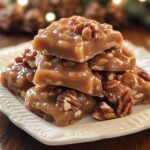
Louisiana Praline Recipe
- Prep Time: 15 minutes
- Cook Time: 15 minutes
- Total Time: 30 minutes
- Yield: 12 servings 1x
- Category: Dessert
- Method: Stovetop
- Cuisine: Americaine
Description
Louisiana Praline Recipe: Sweet and nutty pralines made with pecans, sugar, and butter. Easy, comforting, and perfect for impressing guests.
Ingredients
- 1½ cups (300g) granulated sugar
- ¾ cup (150g) light brown sugar, packed
- ½ cup (120ml) heavy cream
- ¼ cup (60ml) whole milk
- 4 tablespoons (56g) unsalted butter
- 1½ cups (170g) pecan halves, lightly toasted
- 1 teaspoon pure vanilla extract
- ¼ teaspoon salt
Instructions
- Step 1: Prepare Your Workspace Before heating any ingredients, line two baking sheets with parchment paper or silicone mats. Arrange all measured ingredients within arm’s reach, as the praline-making process moves quickly once started. Have a candy thermometer ready if using one, and a heat-resistant spatula for stirring. This preparation ensures you won’t scramble once the mixture reaches critical stages.
- Step 2: Toast the Pecans Spread pecan halves on a baking sheet and toast in a 350°F (175°C) oven for 5-7 minutes until they become fragrant and slightly darker. Watch carefully to prevent burning—the line between perfectly toasted and burnt is thin. Allow them to cool slightly before chopping half of them roughly, leaving the remainder as halves for varied texture in your Louisiana Pralines.
- Step 3: Create the Sugar Base Combine granulated sugar, brown sugar, heavy cream, milk, and butter in your heavy-bottomed saucepan over medium heat. Stir gently until the butter melts and sugars dissolve completely. Once dissolved, stop stirring (to prevent crystallization) and attach your candy thermometer to the side of the pot, ensuring the tip doesn’t touch the bottom.
- Step 4: Cook to Soft-Ball Stage Allow the mixture to come to a gentle boil, washing down any sugar crystals on the sides of the pot with a wet pastry brush if needed. Let the mixture bubble steadily until it reaches 238-240°F (114-116°C)—the soft-ball stage. This typically takes 8-12 minutes, but rely on temperature rather than time for accuracy.
- Step 5: Cool and Add Remaining Ingredients Remove from heat immediately when the temperature is reached. Allow the mixture to cool undisturbed for approximately 1-2 minutes, then add the vanilla extract, salt, and all pecans. Be careful as the mixture will bubble up slightly when vanilla is added.
- Step 6: Beat and Drop Begin stirring vigorously with your wooden spoon. The mixture will gradually lose its glossy appearance and thicken. Continue beating for 2-3 minutes until it becomes creamy and slightly cloudy, with a thicker consistency that’s just starting to look matte. Working quickly, drop heaping tablespoons of the mixture onto your prepared baking sheets, forming 2-3 inch rounds. If the mixture begins hardening in the pot, add 1-2 teaspoons of hot water and stir quickly to loosen.
- Step 7: Set and Cure Allow your Louisiana Pralines to set completely at room temperature, which takes approximately 30-45 minutes. Avoid refrigeration, as this can affect their texture and create condensation. For the best flavor development, let pralines cure for at least 2 hours before serving, though they’ll be delicious even straight from the cooling process.
Notes
Fresh ingredients will always yield the best flavor results.
Nutrition
- Serving Size: 1 praline
- Calories: 215
- Sugar: 20g
- Sodium: 75mg
- Fat: 13g
- Saturated Fat: 5g
- Unsaturated Fat: 7g
- Trans Fat: 0g
- Carbohydrates: 24g
- Fiber: 1g
- Protein: 1g
- Cholesterol: 24mg