

Imagine the rich, sweet aroma of perfectly caramelized onions filling your kitchen—golden brown strands that melt in your mouth with a depth of flavor that transforms any dish from ordinary to extraordinary. Caramelized onions are culinary magic, turning a humble, sometimes sharp vegetable into a sweet, buttery condiment through nothing more than patience and gentle heat. Whether you’re looking to elevate your burgers, enhance your pasta dishes, or create a stunning French onion soup, mastering caramelized onions is an essential skill in your cooking repertoire. You’ll learn the secrets to achieving that perfect amber color and jammy texture that professional chefs rely on to add depth and complexity to countless recipes.
Why You’ll Love This Recipe
This caramelized onions recipe stands out for its foolproof technique that delivers consistently perfect results. The beauty lies in the transformation—watching firm, pungent onions slowly surrender to the heat, releasing their natural sugars until they become meltingly tender with a rich sweetness that’s both complex and comforting. You’ll appreciate how this recipe requires minimal ingredients but creates maximum flavor, relying on time rather than complexity to work its magic.
The contrast between the initial sharp bite of raw onions and the resulting buttery, almost candy-like sweetness is truly remarkable. There’s something incredibly satisfying about achieving that perfect golden-brown color that signals you’ve unlocked all the natural sweetness these humble vegetables have to offer.
Best of all, while caramelized onions require patience, they don’t demand constant attention—allowing you to prep other meal components while they slowly transform in your pan. Once you master this technique, you’ll find yourself making batches regularly to enhance everything from simple sandwiches to sophisticated tarts.
Ingredients
For perfect caramelized onions, you’ll need:
- 2 pounds (900g) yellow onions (about 4 medium or 3 large onions)
- 2 tablespoons (30g) unsalted butter
- 1 tablespoon (15ml) olive oil
- ¼ teaspoon (1.5g) kosher salt
- ⅛ teaspoon (0.5g) granulated sugar (optional, helps kickstart caramelization)
- 1 tablespoon (15ml) balsamic vinegar or dry sherry (optional, for deglazing)
- Fresh thyme sprigs (optional, for aromatic depth)
- ¼ cup (60ml) water or broth (for deglazing as needed)
Yellow onions are ideal for their perfect balance of sugar content and sturdy texture, though sweet onions like Vidalia work beautifully too. The combination of butter and olive oil provides flavor while preventing burning, as butter alone would brown too quickly during the long cooking process.
Pro Tips
The first secret to perfect caramelized onions is slicing technique. Cut onions into uniform slices about ⅛-inch thick—too thin and they’ll burn, too thick and they’ll take forever to soften. Slice pole to pole (from root to stem) rather than across the equator to maintain the onion’s structure during cooking, which helps them break down more evenly.
Temperature control is absolutely crucial. The most common mistake is cooking caramelized onions over too high heat in an attempt to speed up the process. True caramelization requires patience—cook over medium-low heat initially to soften the onions, then reduce to low for the remaining time. This slow approach allows the natural sugars to develop without burning. If you see any charring rather than uniform browning, your heat is too high.
Finally, embrace the deglaze. As the onions cook, a flavorful fond (browned bits) will develop on the bottom of your pan. Periodically deglaze with small amounts of water, broth, or wine, scraping up these concentrated flavor bombs and incorporating them back into your onions. This prevents burning while building incredible depth of flavor in your finished caramelized onions.
Instructions
Step 1: Prep Your Onions
Start by peeling your onions and removing both the stem and root ends. Slice them pole-to-pole (from top to bottom) into uniform ⅛-inch thick half-moons. Don’t worry about the volume—they’ll cook down dramatically to about 20% of their original size. Having all your onions ready before starting ensures you won’t disrupt the careful temperature management needed for perfect caramelization.
Step 2: Begin the Cooking Process
Heat a large, heavy-bottomed skillet or Dutch oven over medium heat. Add butter and olive oil and wait until the butter is completely melted and stops foaming. Add your sliced onions all at once, sprinkling with the salt (which helps draw out moisture). Stir to coat all the onions evenly with the fat. They’ll seem overcrowded at first, but will quickly begin to shrink.
Step 3: The Initial Softening Phase
Cook the onions for about 10 minutes at medium heat, stirring occasionally to ensure even cooking. During this phase, you’re just softening the onions and beginning to coax out their moisture. If you’ve opted to use the pinch of sugar, add it now—it helps kickstart caramelization without making the onions overly sweet.
Step 4: The Low and Slow Phase
Once the onions have softened and reduced in volume by about half, reduce your heat to low. This begins the true caramelization process. For the next 30-45 minutes, stir the onions every 5-10 minutes, making sure to scrape the bottom of the pan. You’ll notice them gradually taking on a golden color as their natural sugars begin to caramelize.
Step 5: Deglazing for Flavor
As a brown fond develops on the bottom of your pan, deglaze by adding 1-2 tablespoons of water, broth, or your chosen deglazing liquid. Scrape vigorously with a wooden spoon to incorporate these flavor-packed bits back into your onions. Repeat this process several times throughout cooking whenever the pan bottom starts to develop too much fond.
Step 6: The Final Stage
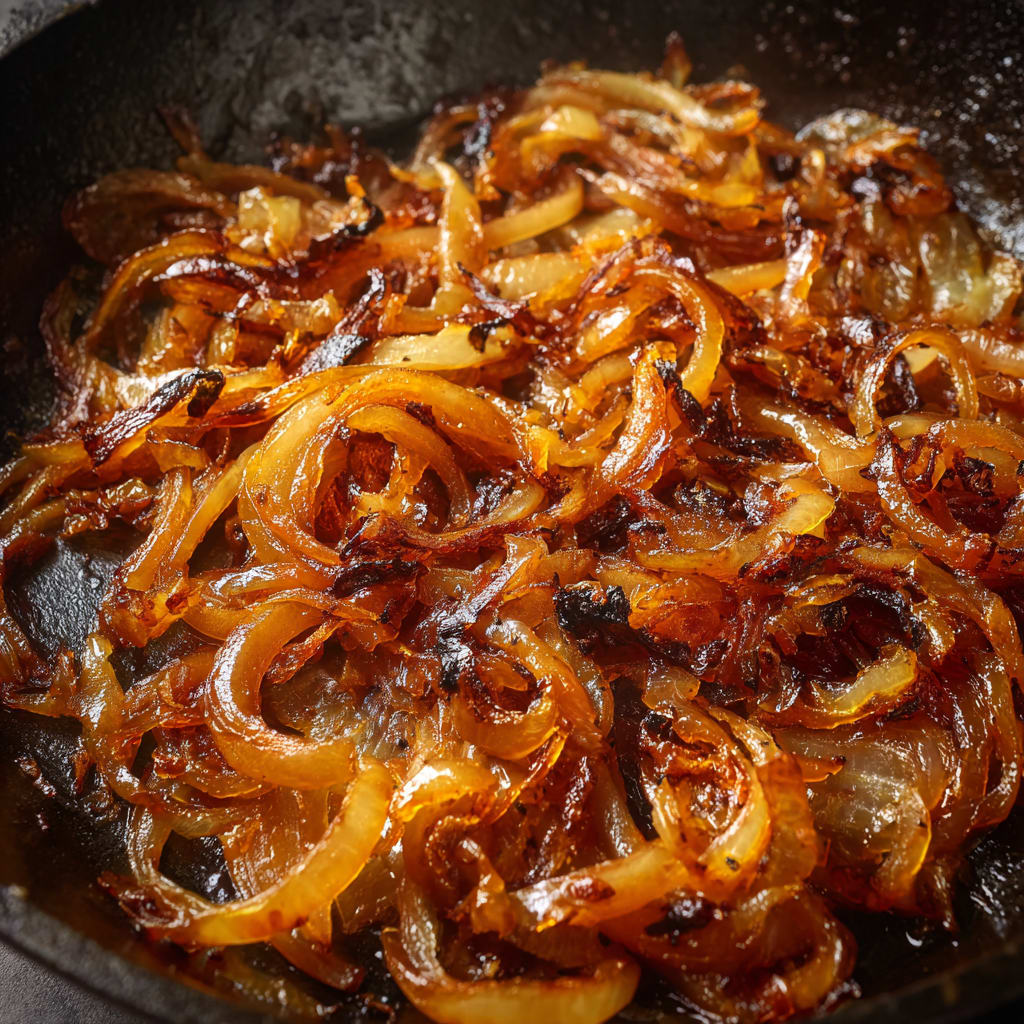
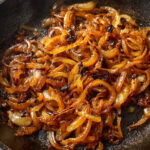
Your caramelized onions are done when they’ve reached a deep golden-brown color and have a jam-like consistency—this typically takes 45-60 minutes total. In the last 5 minutes, add the optional balsamic vinegar or sherry to deglaze one final time, providing a subtle depth that enhances the natural sweetness. If using thyme, stir it in now. The finished onions should be dramatically reduced, intensely flavorful, and meltingly tender.
Variations
Balsamic Caramelized Onions: For an extra dimension of tangy sweetness, add 2-3 tablespoons of balsamic vinegar during the last 10 minutes of cooking. The vinegar will reduce alongside the onions, creating a glossy, deeply flavorful finish that pairs exceptionally well with cheese boards, burgers, or atop creamy polenta.
Herb-Infused Caramelized Onions: Transform your basic caramelized onions by adding fresh herbs during cooking. A few sprigs of thyme or rosemary added during the last 15 minutes infuse the onions with aromatic complexity. Alternatively, finish with chopped fresh herbs like parsley or chives just before serving to add brightness to the rich, sweet base.
Spiced Caramelized Onions: For a warming twist, especially nice for fall and winter dishes, add a pinch of ground cinnamon, star anise, or allspice about halfway through the cooking process. These warming spices complement the natural sweetness of the onions and create a beautiful accompaniment for roasted meats or hearty vegetarian dishes.
Storage and Serving
Caramelized onions store beautifully, making them worth cooking in larger batches. Once cooled, transfer them to an airtight container and refrigerate for up to 1 week. For longer storage, freeze them in ice cube trays or small portions for up to 3 months—they thaw quickly and maintain their flavor remarkably well.
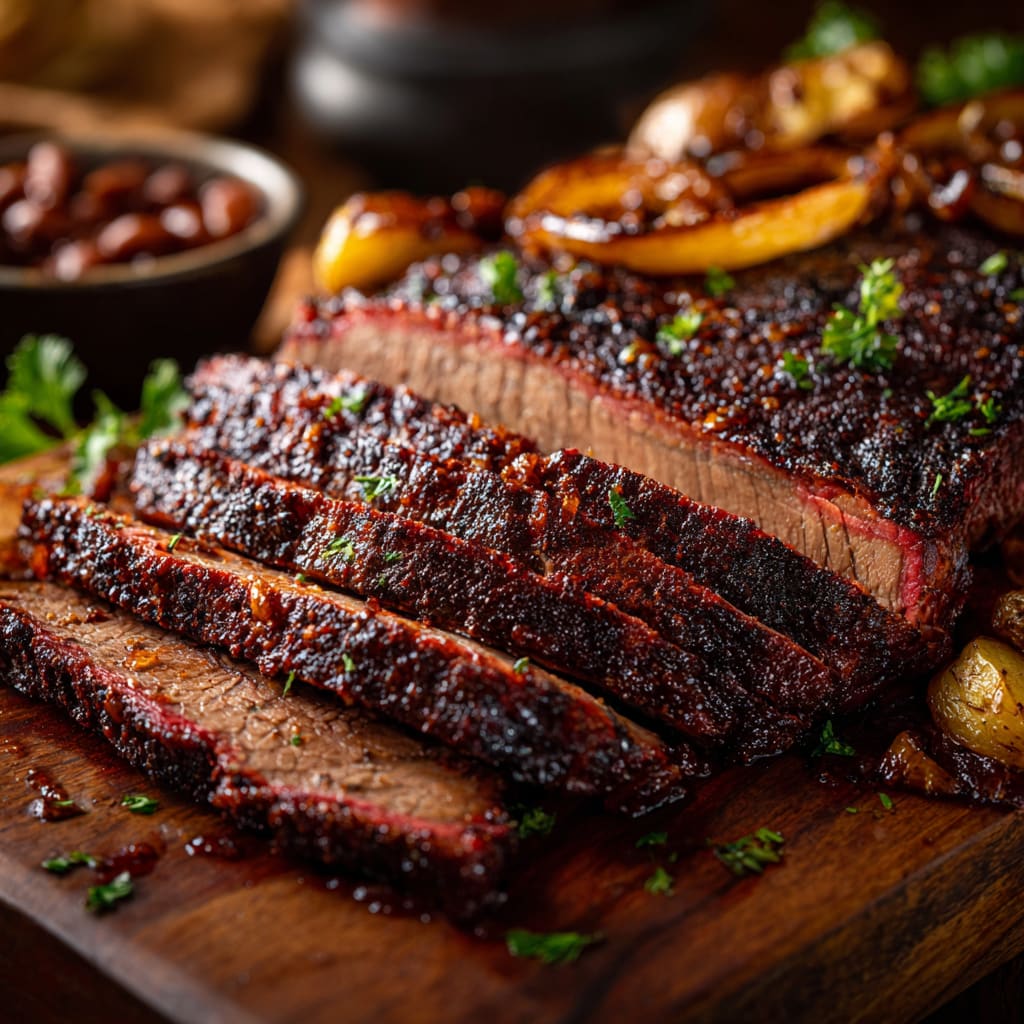
For serving, try these caramelized onions as a topping for gourmet burgers or grilled steaks, where their sweetness balances rich, savory flavors. They make an incredible pizza topping paired with goat cheese and fresh thyme, or try folding them into a creamy risotto just before serving to add depth and complexity.
Perhaps my favorite way to showcase caramelized onions is in a rustic tart—spread them over puff pastry with a sprinkle of fresh herbs and crumbled blue cheese, then bake until golden for an impressive appetizer. They’re also the perfect foundation for classic French onion soup, where their deep flavor creates that characteristic rich broth.
FAQs
How long does it really take to caramelize onions properly?
True caramelized onions take 45-60 minutes to develop their characteristic depth of flavor and color. Recipes promising perfectly caramelized onions in 10-15 minutes are usually describing sautéed or browned onions, which have a different flavor profile altogether.
Can I speed up the caramelization process?
While you can’t rush true caramelization without sacrificing flavor, adding a pinch of baking soda (not powder) can speed things up slightly by creating a more alkaline environment that promotes browning. However, use sparingly—too much affects flavor and texture.
Why are my caramelized onions burning instead of caramelizing?
If your onions are burning, your heat is too high. True caramelization requires low, slow cooking. Also ensure you’re using a heavy-bottomed pan that distributes heat evenly, and deglaze frequently to prevent scorching.
Can I caramelize any type of onion?
Yes, all onions can be caramelized, but with different results. Yellow onions offer the best balance of sweetness and structure. Red onions maintain some color but can turn slightly bitter. Sweet onions like Vidalia caramelize beautifully but may break down more.
Are caramelized onions healthy?
While the caramelization process concentrates the natural sugars in onions, making them sweeter, caramelized onions retain many of onions’ nutritional benefits including antioxidants and prebiotic fiber. The small amount of fat used in cooking adds calories but helps your body absorb fat-soluble nutrients.
Caramelized Onions Recipe
- Prep Time: 15 mins
- Cook Time: 30 mins
- Total Time: 45 mins
- Yield: 4 servings 1x
- Category: Appetizer
- Method: Cooking
- Cuisine: Americaine
Description
Discover the best Caramelized Onions Recipe for a flavorful addition to any dish. Try it now!
Ingredients
- 2 pounds (900g) yellow onions
- 2 tablespoons (30g) unsalted butter
- 1 tablespoon (15ml) olive oil
- ¼ teaspoon (1.5g) kosher salt
- ⅛ teaspoon (0.5g) granulated sugar
- 1 tablespoon (15ml) balsamic vinegar or dry sherry
- Fresh thyme sprigs
- ¼ cup (60ml) water or broth
Instructions
- Step 1: Prep Your Onions Start by peeling your onions and removing both the stem and root ends. Slice them pole-to-pole (from top to bottom) into uniform ⅛-inch thick half-moons. Don’t worry about the volume—they’ll cook down dramatically to about 20% of their original size. Having all your onions ready before starting ensures you won’t disrupt the careful temperature management needed for perfect caramelization.
- Step 2: Begin the Cooking Process Heat a large, heavy-bottomed skillet or Dutch oven over medium heat. Add butter and olive oil and wait until the butter is completely melted and stops foaming. Add your sliced onions all at once, sprinkling with the salt (which helps draw out moisture). Stir to coat all the onions evenly with the fat. They’ll seem overcrowded at first, but will quickly begin to shrink.
- Step 3: The Initial Softening Phase Cook the onions for about 10 minutes at medium heat, stirring occasionally to ensure even cooking. During this phase, you’re just softening the onions and beginning to coax out their moisture. If you’ve opted to use the pinch of sugar, add it now—it helps kickstart caramelization without making the onions overly sweet.
- Step 4: The Low and Slow Phase Once the onions have softened and reduced in volume by about half, reduce your heat to low. This begins the true caramelization process. For the next 30-45 minutes, stir the onions every 5-10 minutes, making sure to scrape the bottom of the pan. You’ll notice them gradually taking on a golden color as their natural sugars begin to caramelize.
- Step 5: Deglazing for Flavor As a brown fond develops on the bottom of your pan, deglaze by adding 1-2 tablespoons of water, broth, or your chosen deglazing liquid. Scrape vigorously with a wooden spoon to incorporate these flavor-packed bits back into your onions. Repeat this process several times throughout cooking whenever the pan bottom starts to develop too much fond.
- Step 6: The Final Stage Your caramelized onions are done when they’ve reached a deep golden-brown color and have a jam-like consistency—this typically takes 45-60 minutes total. In the last 5 minutes, add the optional balsamic vinegar or sherry to deglaze one final time, providing a subtle depth that enhances the natural sweetness. If using thyme, stir it in now. The finished onions should be dramatically reduced, intensely flavorful, and meltingly tender.
Notes
Fresh ingredients will always yield the best flavor results.
Nutrition
- Serving Size: 1 serving
- Calories: 300
- Sugar: 5g
- Sodium: 400mg
- Fat: 10g
- Saturated Fat: 3g
- Unsaturated Fat: 7g
- Trans Fat: 0g
- Carbohydrates: 40g
- Fiber: 5g
- Protein: 15g
- Cholesterol: 50mg